How Do Insurance Companies Determine Fault After a Car Accident in San Diego?
How Do Insurance Companies Determine Fault After a Car Accident in San Diego?
Insurance companies determine fault after a car accident by comparing the available evidence with California traffic laws and negligence rules. Adjusters review driver statements, photographs, witness accounts, police reports, and vehicle damage to decide who caused the crash. Their conclusions can affect whether a claim is paid and how much compensation an injured person receives.
For San Diego drivers, responsibility does not always fall entirely on one person. California allows fault to be divided among multiple parties, and an insurer’s initial assessment can be challenged. Understanding how the investigation works can help you preserve useful evidence and recognize when a fault decision deserves closer review.
Whether your collision happened on Interstate 5, during a merge onto Interstate 805, or at a neighborhood intersection, the central questions are the same: What happened, who failed to drive reasonably, and how did that failure cause harm?
What Does an Insurance Adjuster Look for When Assigning Fault?
An adjuster reconstructs the collision and evaluates each driver’s conduct. The investigation generally focuses on whether someone failed to use reasonable care and whether that failure contributed to the accident.
For example, evidence that a driver was speeding matters most when the speed helped cause the crash or increased the resulting harm. A traffic violation unrelated to the collision does not automatically establish responsibility for everything that happened.
Adjusters commonly examine:
- Each vehicle’s direction, lane position, and movement before impact.
- Traffic signals, signs, lane markings, and right-of-way requirements.
- Speed, following distance, visibility, and road conditions.
- Whether a driver was distracted, impaired, or making an unsafe maneuver.
- Whether the physical evidence supports the accounts provided.
The investigation also distinguishes liability, damages, and coverage. Liability concerns responsibility for the accident. Damages concern the resulting losses. Coverage concerns whether an insurance policy applies and what it pays. An insurer may dispute any of these separately.
What Evidence Helps Prove Fault After a San Diego Car Accident?
Police reports and witness statements
A collision report may document roadway conditions, driver statements, witness information, diagrams, and an officer’s assessment of contributing factors. These details can give an adjuster a starting point.
However, an officer may have arrived after the crash and relied on conflicting accounts. A report can contain omissions or factual errors. Independent witnesses may help clarify whether a vehicle entered against a red light or changed lanes immediately before impact.
Photographs, video, and vehicle damage
Photographs can preserve facts that disappear quickly: vehicle positions, debris, skid marks, obstructed signs, and lane markings.
Dashcam footage or nearby security video may show the sequence more clearly than either driver remembers. Preserve original files and request potentially relevant recordings promptly because retention periods vary.
Vehicle damage also helps test competing explanations. A side impact may support one account of a lane-change collision, but damage location alone rarely answers every question. The angle of contact, vehicle movement, and surrounding evidence still matter.
Electronic records and expert analysis
In serious or disputed collisions, an investigation may involve vehicle event data, commercially maintained driving records, or accident reconstruction. Access can require consent or legal process.
An expert may examine speeds, braking, impact angles, and the sequence of multiple impacts. These tools are particularly useful when several vehicles were involved or when the drivers disagree about which collision happened first.
How California Comparative Fault Affects Your Compensation
California follows pure comparative negligence. An injured person’s damages are reduced by their percentage of responsibility, rather than automatically eliminated because they contributed to the accident. California’s civil jury instructions explain that a plaintiff’s responsibility reduces the damages recoverable. courts.ca.gov
Consider a hypothetical San Diego intersection crash. One driver turns left across approaching traffic, while the approaching driver is traveling too fast. If the injured driver’s proven damages total $100,000 and that driver bears 20% of the fault, the comparative-fault reduction would leave $80,000 before other applicable limitations or adjustments.
There is no universal formula that assigns a fixed percentage to every violation. An adjuster must connect the conduct to the collision and evaluate the relative responsibility of those involved.
This makes unsupported statements such as “you were 30% responsible” worth questioning. Ask which evidence supports that percentage and what specific conduct allegedly contributed to your injuries.
An insurer’s allocation is a claims position. If the parties cannot agree and the case proceeds to trial, the judge or jury resolves the disputed legal responsibility.
Are Certain Drivers Automatically at Fault?
Some collision patterns strongly suggest negligence, but they still require an investigation.
Rear-end collisions
A following driver may be responsible for failing to leave enough stopping distance or react to traffic. However, an abrupt unsafe lane change, a reversing vehicle, or a chain-reaction impact can complicate the analysis.
On a congested stretch of I-5, for example, the middle vehicle in a three-car crash may have been pushed into the vehicle ahead. The number and timing of impacts become critical.
Left-turn and intersection accidents
An adjuster may examine whether a turning driver yielded, whether approaching traffic was speeding, and which vehicle had the signal.
A driver’s statement that they “had the green light” may not settle the dispute if the other driver says the same thing. Witnesses and video can become especially valuable.
Lane changes and freeway merges
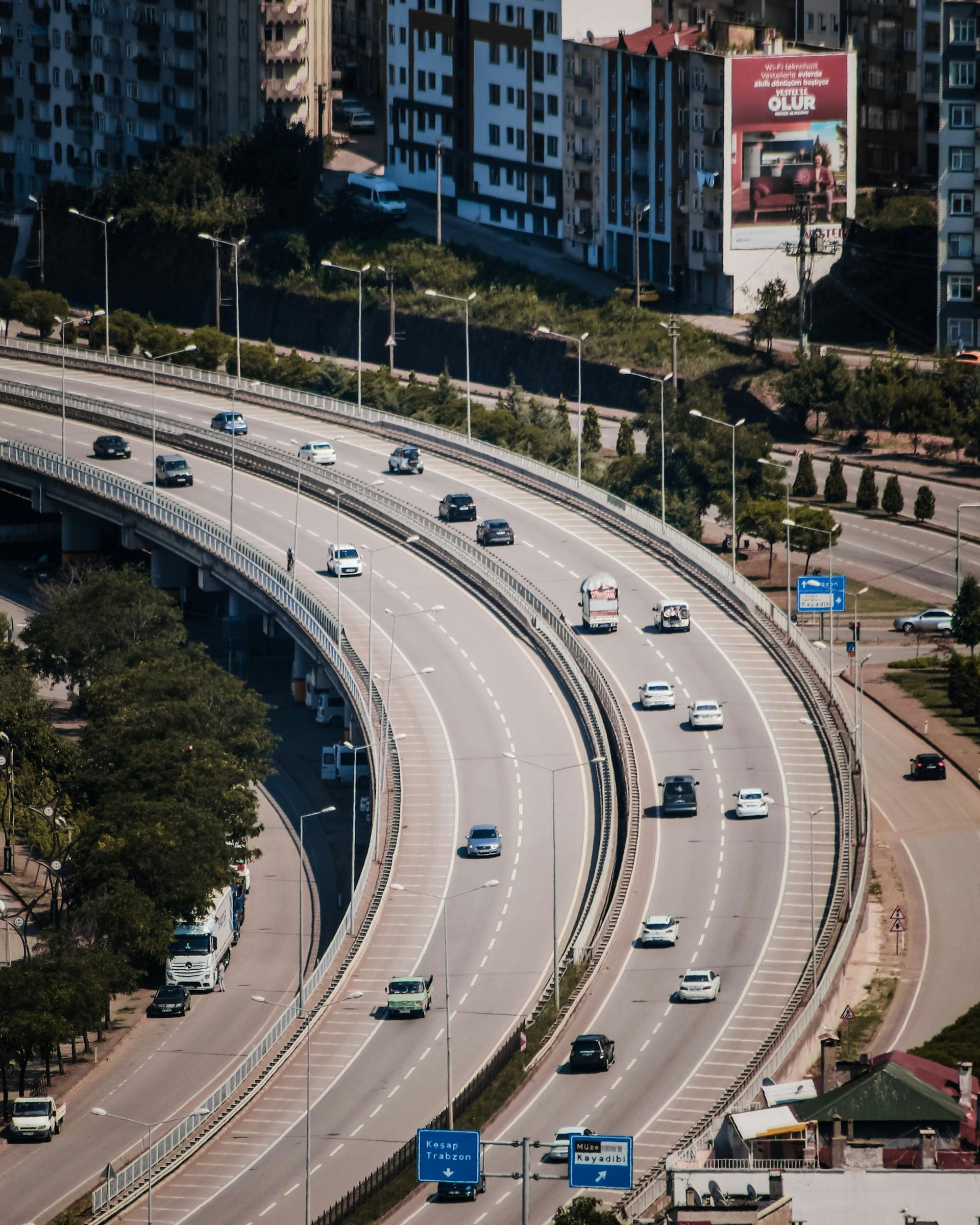
For collisions near San Diego freeway interchanges, adjusters may consider who crossed the lane line, whether a safe opening existed, and whether another driver’s speed or movement contributed.
A turn signal communicates intent; it does not, by itself, establish that a lane change was safe.
Does the Police Report Decide the Insurance Claim?
A police report can be influential, but it does not automatically settle civil liability. An insurer may reach a different assessment after reviewing additional evidence.
Similarly, a citation is relevant without necessarily proving every element of an injury claim. Conversely, the absence of a ticket does not establish that everyone drove reasonably.
If the report contains an incorrect direction of travel, missing witness, or inaccurate vehicle description, document the problem. Ask the reporting agency about its process for submitting corrections or supplemental information. A disagreement with an officer’s opinion may require supporting evidence rather than a simple correction request.
Preserve your own account while the details are fresh. Record what you directly observed and separate that from assumptions about what another driver was doing.
How to Challenge an Insurance Company’s Fault Decision
Start by requesting the insurer’s reasoning in writing. Identify whether the disagreement involves the collision sequence, a traffic rule, the interpretation of physical evidence, or the percentage assigned to you.
A focused response is usually more useful than a general statement that the decision is unfair:
- Identify the disputed finding. Explain precisely what the adjuster got wrong.
- Provide supporting evidence. Submit photographs, witness details, video, or relevant report corrections.
- Request reconsideration. Explain how the additional information changes the analysis.
- Keep a communication record. Save correspondence, claim numbers, and dates.
- Consider legal assistance. Serious injuries, conflicting evidence, and substantial comparative-fault allegations can justify a more detailed investigation.
California’s Department of Insurance provides guidance for consumers facing claim-handling problems. A regulatory complaint may address an insurer’s conduct, but it does not replace a lawsuit or guarantee a particular liability outcome. insurance.ca.gov
Avoid signing a settlement release before understanding which claims it resolves. Resolving a property-damage issue and resolving an injury claim can involve different documents and consequences.
What San Diego Drivers Should Do While Fault Is Investigated
Get appropriate medical attention, notify your insurer promptly, and preserve evidence. Describe symptoms accurately and maintain records of treatment, missed work, and accident-related expenses.
When communicating with an adjuster, answer truthfully and avoid guessing about speed, distance, or another driver’s intentions. Your own policy may impose cooperation requirements. Before providing a recorded statement to another driver’s insurer, consider obtaining advice about the request.
California also requires a separate DMV SR-1 report within 10 days when an accident involves an injury, a death, or property damage exceeding $1,000. Reporting to police or an insurer does not replace that requirement. dmv.ca.gov
Finally, track legal deadlines independently of claim negotiations. California’s general deadline for a personal injury lawsuit is two years from the injury, although exceptions and different requirements can apply. Claims involving public entities may have substantially earlier requirements. Continuing discussions with an adjuster should not be assumed to extend your filing deadline. Self Help Guide
Frequently Asked Questions About Car Accident Fault
Can I pursue compensation if I was mostly responsible?
Potentially. California’s pure comparative negligence system allows recovery to be reduced according to your responsibility even when your share exceeds the other driver’s. You must still establish another party’s legal responsibility and your damages. Insurance coverage, policy limits, and other legal restrictions may affect what you ultimately recover.
What happens if the insurance companies disagree?
Each insurer may evaluate the evidence differently. The disagreement may be addressed through additional investigation, negotiation, or applicable dispute procedures. Some insurers also resolve reimbursement disputes between themselves. An injured person’s unresolved liability claim may ultimately require litigation; disagreement between carriers does not automatically determine that person’s rights.
Can an insurance company determine fault without a police report?
Yes. Photographs, witness accounts, video, vehicle inspections, and driver statements may support a liability assessment. Without a report, preserving independent evidence can become especially important. Identify witnesses and collect their contact information promptly rather than assuming the insurer will be able to locate them later.
Does reporting the accident to my insurer mean I admitted fault?
Reporting a collision is different from accepting responsibility. Give accurate facts and distinguish what you know from what you cannot remember. Avoid speculating or agreeing with a proposed explanation simply to finish the conversation. Follow your policy’s reporting and cooperation requirements while preserving your ability to dispute an unsupported conclusion.
Discuss a Disputed San Diego Accident Claim With The Stone Law Group
A fault decision should reflect the evidence, the collision sequence, and California law. Missing footage, an inaccurate report, or an unsupported allocation of responsibility can materially affect an injury claim.
If you were injured in a San Diego car accident and an insurer is disputing responsibility, contact The Stone Law Group to discuss your circumstances and potential next steps.